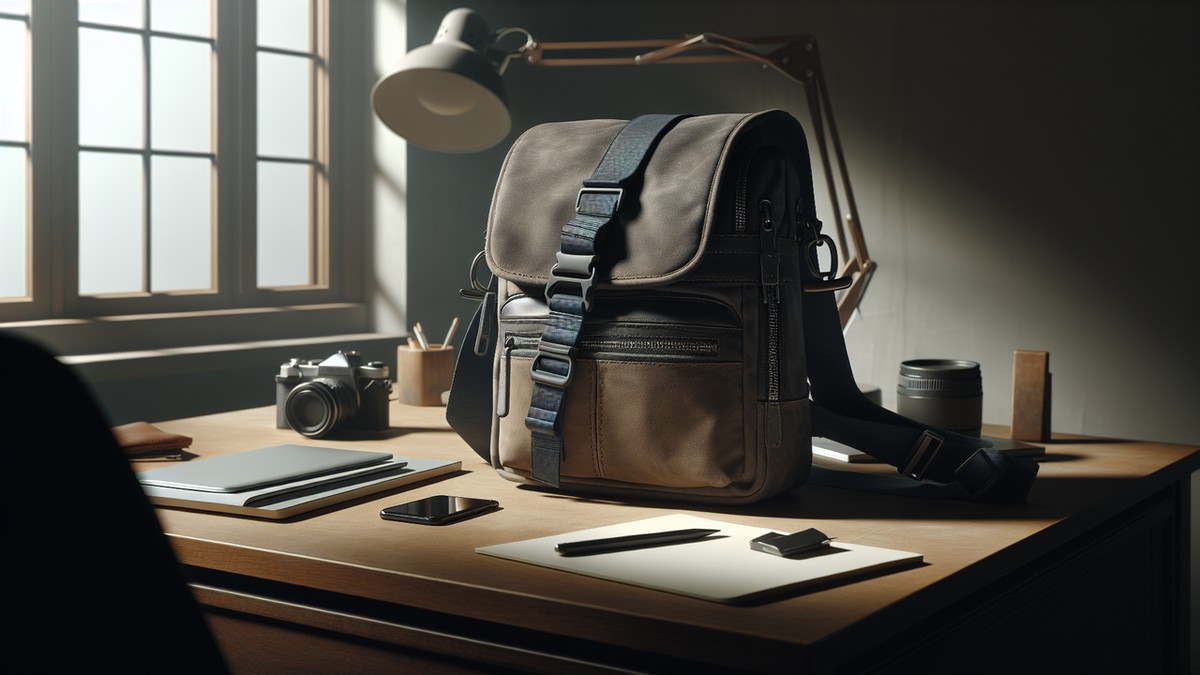
okutas.com – A sling bag is a simple upgrade that makes everyday carry easier. It keeps essentials close without the bulk of a backpack. When chosen well, it feels light, looks sharp, and stays comfortable all day.
Because it sits across the body, a sling bag can be more secure in crowds. It also lets you reach your phone or wallet fast. The key is matching size, strap design, and features to how you move.
This guide breaks down what matters most, from materials to fit. You will also learn how to pack it so it stays balanced. By the end, you will know exactly what to look for before buying.
How a sling bag Should Fit and Feel
Fit decides whether a bag becomes a daily favorite or a dusty closet item. A good sling bag should sit flat against your torso and not swing when you walk. It should feel stable when you bend or ride.
Start with strap length and adjustability. The strap should tighten enough to keep the bag close. It should also loosen fast when you want to move it to the front.
Comfort comes from smart padding and smooth edges. Look for a strap that does not cut into your shoulder. If you wear it for hours, breathability matters too.
Strap placement and daily movement
People carry differently depending on commute and habits. Some prefer a higher ride on the back, others like it low at the hip. Test where it sits when you walk at a normal pace.
Check how easily it slides from back to front. That motion should feel natural with one hand. If it catches on clothing, it will annoy you over time.
If you bike or take public transit, stability is essential. A chest stabilizer strap can reduce bounce. It also helps when the bag is packed heavier.
Right size for your essentials
Pick size based on what you truly carry every day. A compact sling bag works for phone, keys, wallet, and earbuds. Larger versions fit a small bottle, sunglasses, or a light layer.
Do a quick loadout list before shopping. If you carry a tablet or camera, measure it. Many bags look roomy online but feel tight in real life.
Also consider how the bag opens in tight spaces. Wide openings help you see items fast. A slim profile helps you move through crowds without bumping people.
Left-shoulder vs right-shoulder carry
Not every design works on both shoulders. Some straps are shaped and stitched for one direction. Choosing the wrong one can make pockets hard to reach.
Try the bag on and reach for the main zipper. You should be able to open it without twisting your wrist. Quick access should feel effortless.
If you share bags with someone, look for ambidextrous hardware. Reversible straps can be useful for travel. They also reduce long-term shoulder fatigue.
Materials, Features, and Style of a sling bag
Materials decide how a bag ages, resists weather, and keeps its shape. A solid sling bag should handle daily friction and still look good. Think about climate, commute, and how careful you are with gear.
Features matter when you use them every day. Zippers, pockets, and attachment points can save time. Too many compartments, however, can add bulk.
Style should support your wardrobe and setting. Minimal designs work for office and travel. Sportier looks suit outdoor use and active days.
Fabric choices and weather protection
Nylon and polyester are popular for a reason. They are light, durable, and often water resistant. Look for quality stitching at stress points.
Waxed canvas adds texture and ages with character. It may need occasional re-waxing for best protection. It also tends to be heavier than synthetics.
Leather looks premium and can last for years. It needs care and dislikes heavy rain. If you want low maintenance, choose coated or treated leather.
Pockets, zippers, and security details
Good organization keeps small items from disappearing. A sling bag with a dedicated phone pocket speeds up checkout lines. A key leash is a small feature that feels big later.
Pay attention to zipper quality and glide. YKK-style hardware is a common sign of durability. Water resistant zippers help in light rain and spills.
For city use, consider anti-theft touches. Hidden back pockets protect passports and cash. Lockable zipper pulls add peace of mind on transit.
Styling a sling for work, travel, and weekends
Neutral colors match more outfits and hide wear. Black, charcoal, and olive are safe choices. Smooth textures look cleaner in office settings.
For travel, choose a sling bag that fits under a jacket or sits close. That reduces snagging in busy areas. It also makes it easier to keep valuables in sight.
On weekends, you can go bolder with color and shape. A sporty silhouette pairs well with sneakers and casual layers. Just keep the size practical for your plans.
Packing, Care, and Long-Term Value in a sling bag
How you pack affects comfort more than most people expect. A balanced sling bag feels lighter and stays in place. Poor packing makes it tug and shift all day.
Care is simple when you build a quick routine. Wiping dirt early prevents stains from setting. Small habits keep the bag looking newer for longer.
Value is not only about price. It is about how often you use it and how well it holds up. The best choice is the one you reach for every morning.
Smart packing to reduce strain
Put heavier items closer to your back and centered. That improves balance and reduces shoulder strain. Keep sharp edges away from the outer fabric.
Use pouches for cables, coins, and small tools. It keeps the interior tidy and easy to scan. It also prevents items from scratching each other.
Leave a little extra space for unexpected needs. A tight pack makes zippers fight you. A bit of room also helps ventilation and comfort.
Cleaning and basic maintenance
Check the care label before you wash anything. Many synthetic bags clean well with mild soap and a damp cloth. Air dry fully before storing.
For canvas, spot clean and avoid harsh scrubbing. Brush off dust first to prevent grinding it in. Reapply protective treatments when needed.
A leather sling bag benefits from conditioner a few times a year. Keep it away from heaters and direct sun for long periods. Store it stuffed lightly to keep its shape.
When it is worth upgrading
If the strap slips or the zipper fails, daily use becomes frustrating. Repairs can help, but some issues return. A reliable bag should feel effortless.
Upgrade if your carry needs change. A new job, a new commute, or new gear can demand a different layout. The right design saves time every day.
Also consider longevity in the hardware and stitching. A better sling bag often costs more upfront. It can still be cheaper over years of use.
Final thought: Choose a sling bag that fits your body, matches your routine, and protects what you carry. When the fit is right and the features are useful, you will feel the difference immediately.
About the Author